Workshop Details:
- Day 1
- 10:15 – 11:45
- Vickers 2
- In English with French translation
Description:
The spring of 2021 opened the eyes of many Canadians to the colonial truths of the land when the discovery was made of 215 unmarked graves at the site of one of Canada’s Residential Schools. While reconciliation wasn’t new, this event ignited a fire for some in education to consider next steps. There is, however, uncertainty in how to move forward for authentic reconciliation.
Drawing back from the original teaching of the Two-Row Wampum, this workshop invites participants to work with a Kanien’kehá:ka Educator in considering paths forward through relationship building; bringing together educational communities and developing working partnerships as way of reconciling Indigenous and Dominant Western systems of teaching and learning.
Relationship to Community & Collaboration
Indigenous people are in the process of reclaiming identity, sovereignty and community; the most important tool we have for this is through education. In considering ways forward, there are elements of both Indigenous and Western dominant views that support this decolonial process; to get there, we need to build community, strengthening relationships between all of the people (Indigenous and non-Indigenous) who work in our Adult Centres. Collaboration is only possible with community, and community in the colonial world requires reconciling.
Presenter:
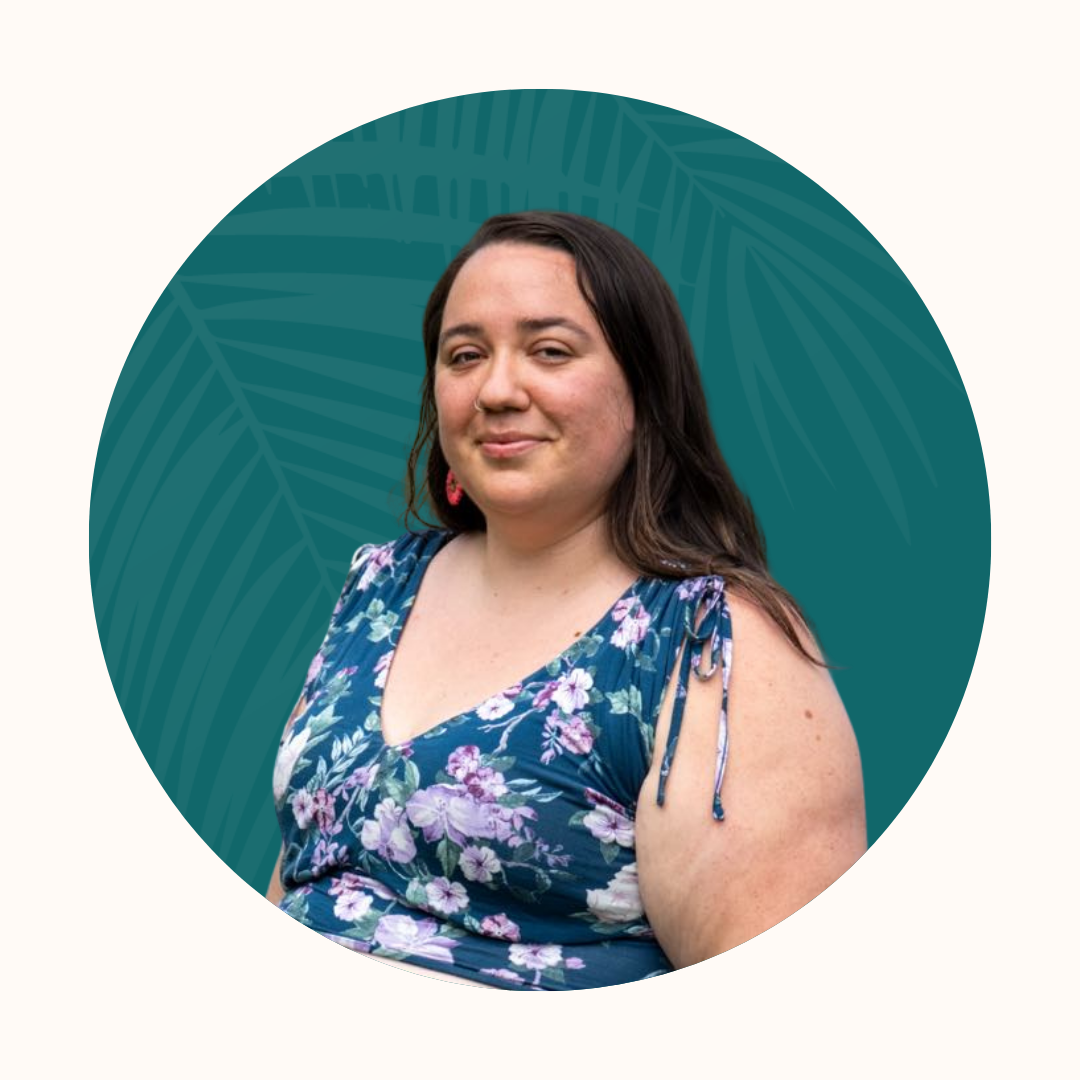
Curran Katsi’tsohrónkwas Jacobs
Kahnawà:ke Education Centre
Curran Katsi’tsohrónkwas Jacobs is a Kanienkehá:ka educator from the community of Kahnawà:ke. A recent graduate of the Ratiwennahnírats Adult Immersion Program, Curran continues to pursue a career in considering ways to reconcile approaches to the needs of Indigenous students, infusing Kanienkehá:ka epistemology and dominant western frameworks. She has taught at every level, from elementary, secondary, Adult Education, Cegep and University courses; her daytime job is now one of advocacy and teaching around the unique needs of Kanienkehá:ka learners who attend school off-reserve, in schools outside of her current employers domain, the Kahnawà:ke Education Centre. Curran is currently pursuing her cultural identity education; something that is often overlooked with the demands of mainstream educational values.
Niáwenhkowa. Aiá:wens ki’ skén:nen akénhake’ tánon senhniseriióhsten,
(Thank you. Be at peace and have a good day)